Day six: a short phone call — after an initial refusal
Trudy speaks briefly with her son. The call only came about after he was first refused — all communication was said to have to run through a single appointed contact person — and he raised a police welfare check.
Correction — 15 July 2026. Where this post refers to an ongoing legal review: the law firm approached on 10 July confirmed in writing on 13 July that the instruction was not accepted (holiday absence). The family has since been urgently arranging new counsel of Trudy’s own choosing; the aim — a prompt new review with Trudy’s own voice and her own choice of counsel at its centre — is unchanged.
This is a factual, ongoing account of what has happened and of the legal steps being taken. As long as the review is ongoing, no names are mentioned and no conclusions are drawn.
What happened today
On Saturday 11 July, her son called the facility in Amsterdam to speak with his mother. The nurse initially told him she could not put him through: the policy was said to be that all communication must run through a single appointed contact person. Only after he said he would ask the police to carry out a welfare check was he put through, and a staff member handed the phone to Trudy.
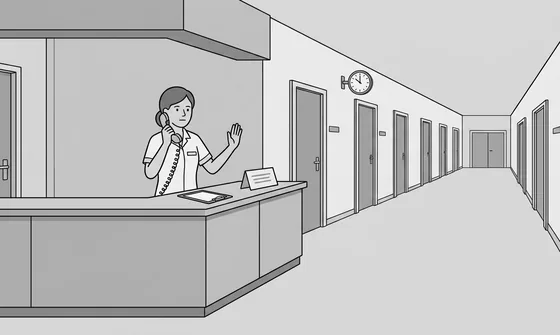
The conversation itself was short and warm. Trudy was lucid, recognised her son immediately, and responded clearly to his questions.
What she said
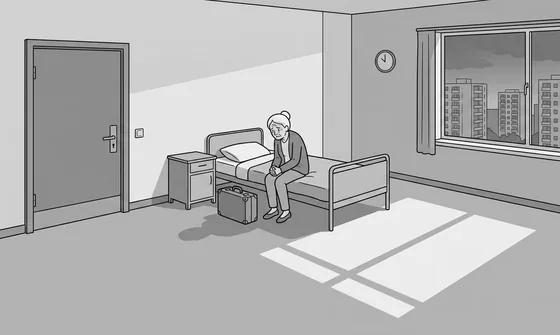
She confirmed once again what she has said consistently since 6 July: she wants to go home — to her own house, in her own street. Asked about her care, she said she is being fed and receives her medication. She was urged to hold on; her case is being worked on.
What the law says about this
Since 6 July, all contact between Trudy and the outside world — her son, her family, her friends, her regular care providers and her informal caregivers — has run exclusively through a single appointed contact person. Her own phone was taken from her. Today it emerged that staff have been instructed not to simply allow telephone contact with her son either.
The Dutch Care and Compulsion Act (Wet zorg en dwang) is not vague about this. Restricting a person’s freedom to arrange her own life, “including the use of means of communication”, is under Article 2(1)(h) Wzd a statutory form of involuntary care. Restricting the right to receive visitors is as well (under (i)). Involuntary care is only permitted where necessary to prevent “serious harm”, must be laid down in the care plan as a decision of the responsible care professional through the statutory procedure, must be proportionate, and must be phased out as quickly as possible (Articles 10 and 13 Wzd). A designation as “first point of contact” gives a family member no legal authority whatsoever to restrict contact between a mother and her son.
To date, the family has been shown no decision, care plan or legal basis on which this contact restriction rests — nor has it been made clear on whose authority the instruction was given to the staff. Whether the statutory conditions have been met is therefore the question that now stands. It is being put through the proper legal channels.
What happens next
It is the weekend; the legal steps resume on Monday. The aim is a swift new review of the admission, with Trudy’s own voice — and her own choice of counsel — as the starting point.
As long as the underlying documents have not been received and reviewed in full, no names are mentioned and no conclusions are drawn.
This post will be updated as soon as more is known.